.png)
Unlocking the Power of Relaxation to Heal Your Nervous System and Release Trauma
- Alison Steedman

- Sep 13, 2025
- 4 min read
Updated: Oct 8, 2025
In our busy lives, relaxation is often overlooked and undervalued. We chase deadlines and multitask, treating downtime as a luxury rather than a necessity. However, relaxation plays a crucial role in healing, especially when it comes to our nervous system and releasing trauma. In this post, I will explore how relaxation techniques, including body relaxation and breathwork, are key to restoring balance and promoting well-being.
Understanding the Nervous System
The nervous system acts as our body’s command centre, sending and receiving signals throughout. It consists of two main parts: the central nervous system (CNS) and the peripheral nervous system (PNS). The CNS includes the brain and spinal cord, while the PNS connects the CNS to the rest of our body.
Trauma—whether physical, like an injury, or emotional, such as losing a loved one—can lead to dysregulation. This may show up as anxiety, depression, or chronic pain. Life is suffering, and we all experience trauma. Therefore, we all need effective regulation of our nervous systems through relaxation techniques.
The Role of Relaxation to Heal Trauma
Relaxation is a powerful healing tool. When we apply relaxation techniques, we activate the parasympathetic nervous system, responsible for rest and digest functions. This activation counteracts the stress response, allowing our bodies to heal. Trauma and stress can only exist in tension; we tackle this through relaxation.
During my own journey, I made relaxation a priority. Slowing down daily, taking walks in nature, and prioritising my yoga practice helped me release held emotions and trauma gently and naturally. It is a work in progress and something I still remind myself of daily, so I can manage the stresses in life without holding onto them for too long.
Body Relaxation Techniques
Body relaxation techniques are vital for calming the nervous system. Here are a couple of effective methods that have personally helped me:
Trauma Release Exercises
Trauma release exercises (TRE) are a great way to allow the body to physically process stress and trauma held within. They help us find a relaxed state of mind and body.
This technique works by activating muscle groups that are known to hold onto stress, inducing tremors that create involuntary shaking within those muscles. This shaking releases tension in the body, similar to how an animal will shake after being chased by a predator. It discharges the stress caused by a triggered nervous system. This not only releases past traumas stuck in the body but also prevents us from holding onto current stress by discharging it daily.
Gentle Movement Practices
Gentle movement practices, such as yoga, are also highly effective for relaxation. These activities promote mindfulness and facilitate the release of pent-up tension.
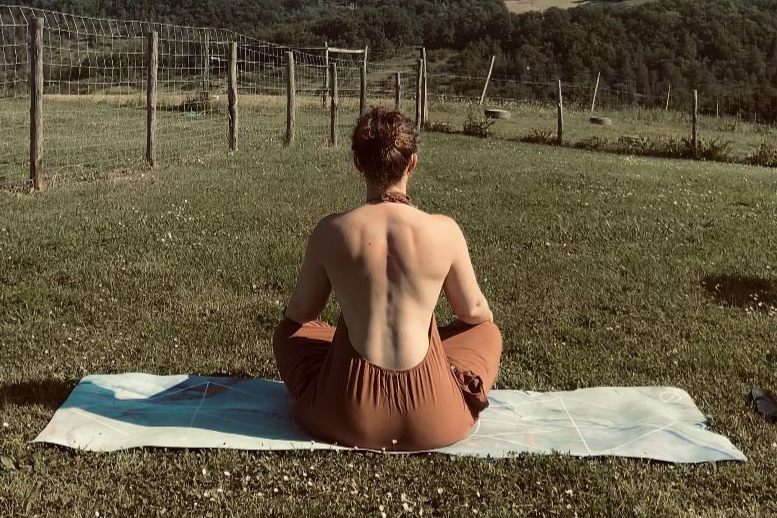
I have found that practicing yoga consistently allows me to connect with my body and release emotions, creating a deeply healing experience. The combination of breath and poses creates a relaxed muscle body, with the meditation allowing for introspection and mindfulness. As a complete practice, it is the ultimate nervous system healing modality, working up through the body to master the mind.

Breathwork for Nervous System Regulation
Breathing is fundamental to relaxation and crucial for regulating the nervous system. By consciously altering our breath, we can promote healing.
Diaphragmatic Breathing
Diaphragmatic breathing, also known as belly breathing, is a straightforward yet effective technique for soothing the nervous system.
To practice this, sit comfortably and place one hand on your chest and the other on your belly. Inhale deeply through your nose, allowing your belly to rise while keeping your chest still. Exhale slowly through your mouth, letting your belly fall. This type of breathwork can decrease stress and enhance relaxation, effectively activating the parasympathetic nervous system.
Box Breathing
Box breathing is another effective technique to regulate the nervous system. It involves inhaling, holding your breath, exhaling, and holding it again for equal counts. This has a balancing effect on the nervous system.
Try inhaling for a count of four, holding for four, exhaling for four, and holding for four. Repeat this cycle for a few minutes a day. Consistency is the most important thing as we train the breath to always be balanced and deep, subconsciously regulating us throughout the day. This means we begin to regulate the nervous system just through our natural breathing.
The Connection Between Relaxation and Trauma Release
Trauma can cause our bodies to hold onto stress and tension, resulting in various physical and mental symptoms. Engaging in relaxation techniques helps create a safe space to release these stored feelings.
From my experience, combining body relaxation methods with breathwork has been life-changing. These methods enabled me to slowly confront and release trauma, opening the door to profound healing and emotional freedom. This is something I will continue to do for the rest of my life so I can effectively manage stress as it inevitably comes my way.
Creating a Relaxation Routine
To make the most of relaxation for healing, developing a consistent routine is essential. Here are key tips to help you build your relaxation practice:
Set Aside Time: Designate a specific window daily for relaxation. Whether it’s morning, lunch, or before bed, creating a habit is crucial.
Create a Relaxing Environment: Choose a quiet place for your relaxation practice, free from distractions. Enhance it with calming elements like soft lighting, soothing music, or scented oils.
Experiment with Techniques: Explore various relaxation methods to discover what resonates best. Whether TRE, yoga, or breathwork, finding what works for you is important.
Be Patient: Healing is a process that takes time. Allow yourself to experience relaxation without rushing or judgment. Consistency is the key to lasting and effective change.
Embracing the Healing Power of Relaxation
Harnessing the power of relaxation is essential for healing the nervous system and releasing trauma. By including body relaxation techniques and breathwork in our daily routines, we can nurture a sense of peace and well-being.
As I continue my healing journey, I am consistently reminded of the profound benefits that relaxation provides. I encourage you to explore these techniques and experience the transformative power of relaxation for yourself. If you would like support on this journey, you can always book a consultation with me below...
Subscribe to my email list if you would like to get some regulation tools sent straight to your inbox...
Comments